
21 January 2026 :
January 17, 2026 - USA. Why Is It So Hard to Set a 9/11 Trial Date? Here’s What to Know.
Prosecutors want jury selection to start in January 2027. That would be a quarter century after the attacks that killed nearly 3,000 people.
Prosecutors this week asked a military judge to schedule Jan. 11, 2027, as the opening date for the Sept. 11 conspiracy trial of Khalid Shaikh Mohammed, who is accused of hatching the plot, and other defendants.
That would start the death-penalty trial a quarter century after the attacks that killed nearly 3,000 people. It is projected to last more than a year.
Mr. Mohammed and the others were charged in this case in 2012, after nearly a decade in U.S. custody. But only one of their previous judges agreed to put a trial date on the calendar — Jan. 11, 2021 — and that was doomed by the coronavirus pandemic and other complications.
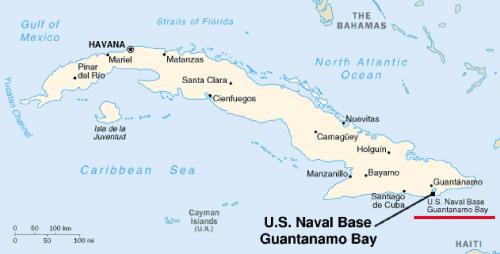
Now a fifth judge is just getting started. Here are some of the issues that could arise as he tries to guide the case forward at the U.S. base in Guantánamo Bay, Cuba.
Is there still torture tainted evidence? // The current judge is still preparing to pick up where the last judge left off: resolving a fundamental challenge about torture.
The issue is whether interrogations of the men at Guantánamo in 2007 and 2008 are too tainted by torture to be used against them at their trial. That question was set aside when three of the defendants — Mr. Mohammed, Walid bin Attash and Mustafa al-Hawsawi — agreed to waive most appeals and admit to their roles in the plot in exchange for life sentences.
That plea deal was overturned and now the judge has to decide whether federal agents can testify about what those men told them after their years in C.I.A. detention.
In April, the last judge ruled that the F.B.I. interrogations of the fourth defendant, Ammar al-Baluchi, had been derived from a campaign of torture and isolation carried out by the C.I.A., and suppressed them for that reason.
The current judge, Lt. Col. Michael Schrama, has said he will hear from government witnesses and prosecutors in early 2026 on the contested interrogations of those three men, and let defense lawyers challenge them starting in the summer.
Khalid Shaikh Mohammed is accused of being the mastermind of the Sept. 11 attacks. // Will 4 prisoners go on trial, or 5? // A 5th defendant, Ramzi bin al-Shibh, was found mentally unfit to stand trial in 2023. But government lawyers say he is better now, and have told the families of the Sept. 11 victims they want to try him with the others.
A military judge ruled against the government claim this week. Prosecutors now have other options. They could refine their argument, or ask the judge handling his case to order a military medical board to review Mr. bin al-Shibh’s competence.
If they prevail, and return him to the case of the others, his lawyers would need to catch up on years of pretrial challenges to the evidence, requiring more legal motions, hearings and witnesses.
Will higher courts slow the timeline? // Higher court appeals are a wild card that could cause delays, and there are currently two such possibilities.
A military appeals panel is deciding whether the last judge on the case got it wrong last year when he threw out Mr. Baluchi’s statements as tainted by torture. Prosecutors want that evidence reinstated, and the panel has yet to hear arguments on the question.
Prosecutors lost a similar appeal in Guantánamo’s other capital case, over the bombing of the U.S.S. Cole, and are taking that case to trial without that key evidence. But if Mr. Baluchi’s team loses, his lawyers will likely appeal.
Mr. Mohammed and 2 other defendants are deciding with their lawyers whether to ask the U.S. Supreme Court to reinstate a plea agreement they reached with prosecutors and a senior Pentagon official in 2024. Depending on the timing, the Supreme Court might not even consider the question until its next term, which ends in June or July 2027.
What other trial preparation work remains? // Defense lawyers still need to draw up lists of witnesses and propose trial evidence, which the prosecution could challenge.
Both sides could also challenge a slate of proposed jurors and substitutes before jury selection can begin.
The government has to bring some trial evidence back to Guantánamo for defense teams to examine. The F.B.I. brought it down last year, then evacuated it in October before Hurricane Melissa, prosecutors said in their Jan. 12 request to the judge for a trial date.
The potential material is massive. The attacks in September 2001 led to the largest criminal investigation in U.S. history, and the F.B.I. has filled warehouses with evidence the defense lawyers may want to examine.
That filing underscored the fragility of any timetable. The Caribbean’s hurricane season, which runs from June 30 through Nov. 30, has on occasion flooded the courtroom compound and severed base communications, forcing the cancellation of hearings, flights and legal meetings.
What about the defense teams? // Pentagon hiring freezes, military retirements and rotations have hollowed out teams the defendants would need for death-penalty trial that would last a year or longer.
Rebuilding has begun with the military services agreeing to assign military lawyers and paralegals to the case starting this summer; civilian slots are still uncertain.
Either way, hiring requires funding and security background checks to get new staff clearances to work at the national security court, a lengthy process.
Another factor could derail any trial schedule: Each defendant has only 2 defense lawyer with specific experience in capital trials. A sudden health crisis could halt the proceedings.
https://www.nytimes.com/2026/01/16/us/politics/sept-11-attacks-trial.html
https://www.usa.shafaqna.com/EN/AL/7685112