NEWS
54,462 ARTICLES · 1998—2026The news from the three battles.
We update every day. No advertising, no trackers, no algorithm. The news that power does not want to see — and the news that power does everything to hide.

DEATH PENALTYOCTOBER 2, 2026
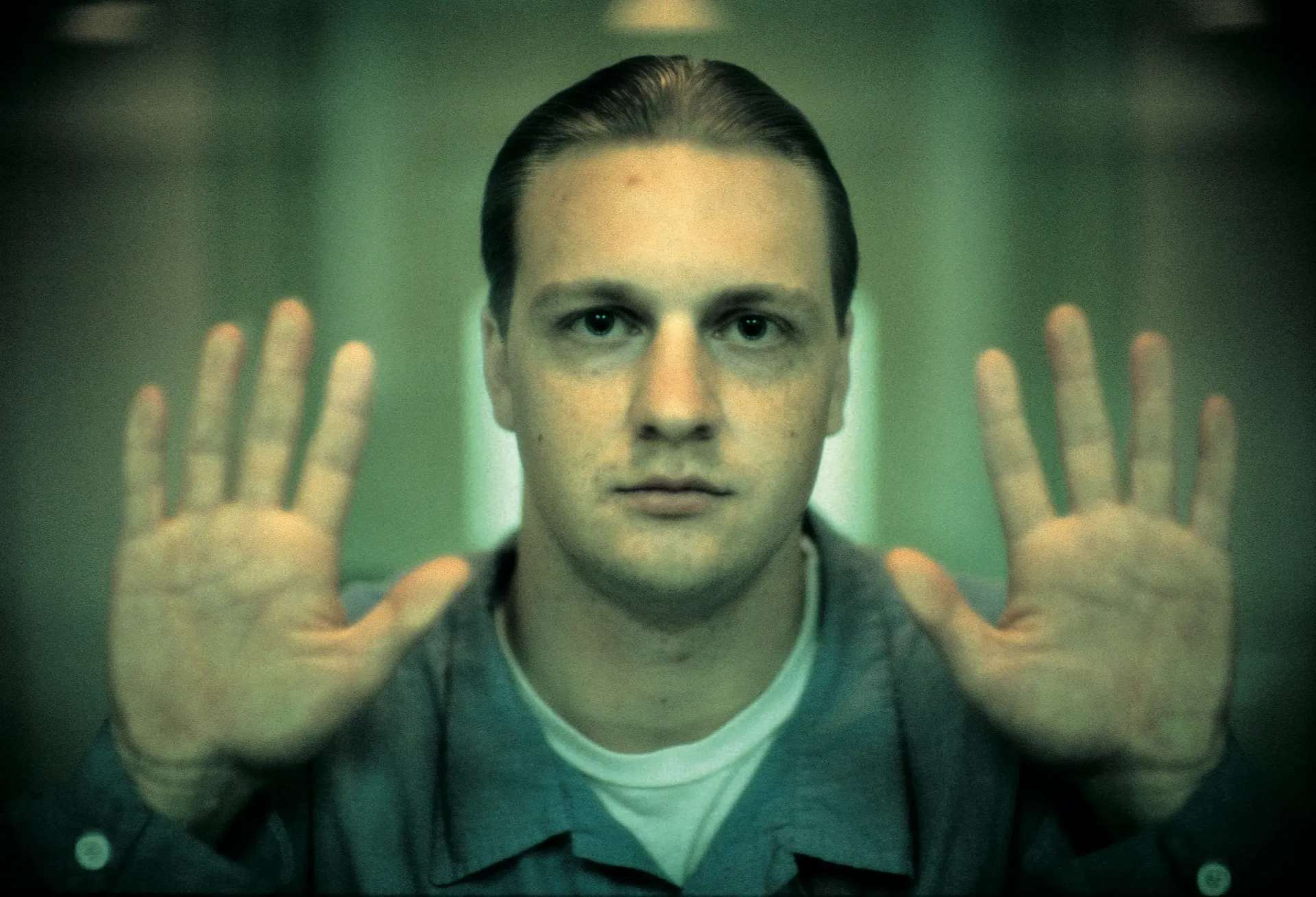
USA - Tennessee. Update on Christa Pike’s condition
The woman likely suffered severe brain damage due to the delay in deciding to suspend the execution and begin resuscitation efforts
 OCTOBER 1, 2026DEATH PENALTY
USA - Tennessee. Christa Pike survives lethal injection
She was taken to hospital; there are no updates on her condition
 SEPTEMBER 30, 2026IranDEATH PENALTY
IRAN - Abbas Amir Gheshlaghi executed in Arak on September 30
 SEPTEMBER 30, 2026IranDEATH PENALTY
IRAN - Ali Alizehi and Abdolhamid Shiehaki Executed in Kerman on September 30, 2026
 SEPTEMBER 30, 2026IranDEATH PENALTY
IRAN - Ali Hemmati Sistani and Majid Nikandish executed in Mashhad on September 30
Two ‘protesters’
- SEPTEMBER 30, 2026DEATH PENALTY
USA - Tennessee. Execution of Christa Pike halted just over an hour before it was due to happen
 SEPTEMBER 30, 2026IranDEATH PENALTY
IRAN - 5 unidentified men executed at Ghezel-Hesar on September 30
 SEPTEMBER 30, 2026IranDEATH PENALTY
IRAN - Ayoub Mohammad Nabil sentenced to death
 SEPTEMBER 29, 2026PakistanDEATH PENALTY
Pakistan: Man gets death penalty for abducting, killing lawyer in 2020
 SEPTEMBER 29, 2026DEATH PENALTY
USA - Florida. Curtis Beasley, 77, White, was executed on September 29
 SEPTEMBER 29, 2026NigeriaDEATH PENALTY
Nigeria: four sentenced to death in Edo over kidnapping
 SEPTEMBER 29, 2026IranDEATH PENALTY
IRAN - Ehsan Norouzi executed in Kermanshah on September 29